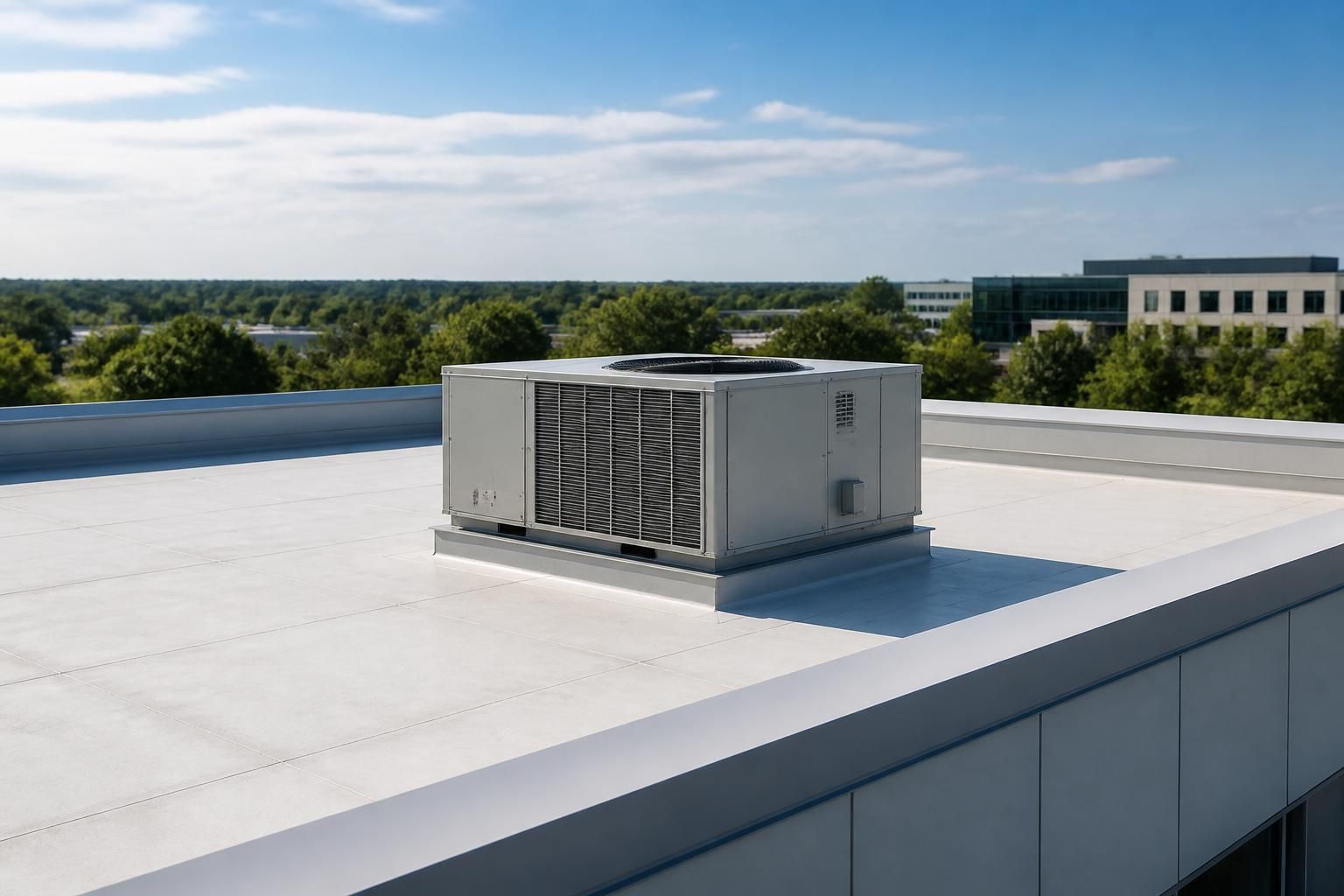
Water stains on a ceiling, loose membrane seams, or shingles missing near rooftop edges can signal a commercial roof that needs attention now. If your building has active leaks, drainage trouble, flashing damage, or aging roofing materials, the next step is a focused inspection and a clear repair or replacement recommendation.
All Access Roofing And Safety serves property owners and managers throughout San Antonio, TX with commercial roofing services that address roof leaks, storm damage, worn surfaces, and long-term deterioration. We work on a range of roofing systems and provide practical solutions for buildings that need repair, restoration, reroofing, or preventive maintenance.
Commercial roofs often show trouble slowly, then all at once after a heavy rain or a change in temperature. Small signs can point to deeper damage beneath the surface, especially when water begins to travel away from the visible problem area.
Watch for these common warning signs:
All Access Roofing And Safety starts with finding the source, not just the symptom. That matters because a leak that appears over one room may start several feet away from where the water shows up indoors.
Commercial properties use different roofing materials, and each one needs a repair approach that matches the roof type. Our work covers several common commercial systems so the repair or replacement method fits the structure, the slope, and the existing materials.
TPO, PVC, and EPDM roofs can develop seam separation, punctures, wear around penetrations, or drainage-related trouble. These roofs often need careful attention to seams, flashing, and any area where water sits too long.
Modified bitumen and similar systems can show cracking, blistering, or soft areas after long exposure. We inspect surface condition and look for spots where layered materials have begun to separate.
Some commercial buildings use asphalt shingles, metal roofing, concrete tile, or clay tile. These roofs can face broken fasteners, damaged flashing, lifted sections, or worn areas that allow water to enter beneath the outer surface.
Choosing between repair, reroofing, or a full replacement depends on the roof’s current condition, the pattern of damage, and how much of the system is still sound. We help property owners review the roof honestly so they can choose the path that fits the building.
We do not push a larger project when a repair will solve the problem. At the same time, we do not recommend another patch if the roof is already failing across multiple sections.
Roof leaks on commercial buildings can be hard to trace because water moves through insulation, decking, and concealed spaces before it becomes visible. A stain on one ceiling panel may come from a seam, edge, curb, vent, or low spot several feet away.
Our leak detection process looks at likely entry points and surrounding conditions, including:
Once the source is identified, we can recommend a repair approach that addresses the cause rather than masking the visible damage.
Storm-related problems can show up as loose edges, broken sections, punctures, or damage to flashing and roof attachments. Even when the roof still looks mostly intact from the ground, a closer inspection may reveal conditions that need attention before the next round of rain.
Commercial roof storm damage often affects more than the visible surface. Water may enter through lifted seams, displaced flashing, or impacts that create a weak point in the roof system. We inspect the affected areas and determine which sections need repair, replacement, or temporary protection through roof tarping where appropriate.
When a roof has been hit by storm conditions, fast documentation and clear findings help property owners decide what to do next. That is especially important for buildings that cannot afford recurring interior water intrusion.
Preventive roof maintenance helps catch wear before it turns into a larger repair job. For commercial properties, this is especially useful because roof problems can spread quietly under the surface and affect insulation, ceilings, walls, and equipment areas.
During a maintenance-focused visit, we look for conditions that shorten roof life or create repeat leak points. That may include seal failures, flashing wear, drainage trouble, and areas where the roof surface has started to break down.
For property managers and facility managers, these checks can help reduce surprise repairs and make roof decisions easier to plan.
A commercial roofing visit should give you a clear picture of what is happening and what should happen next. We focus on visible symptoms, hidden trouble spots, and the condition of the roof system as a whole.
That process helps building owners make decisions based on what the roof actually needs, not guesswork.
San Antonio properties range from small business buildings to larger commercial facilities, and each roof deserves a plan based on its condition and roofing type. All Access Roofing And Safety works with property owners, business owners, property managers, facility managers, and contractors who need dependable commercial roofing support.
We serve San Antonio, TX along with nearby Central Texas communities, and we also help customers who manage properties across multiple locations. Whether the concern is a leak, worn membrane, damaged flashing, or a roof that needs a full replacement decision, we provide straightforward roofing service designed to protect the structure and extend the roof’s useful life.
Interior stains, damp insulation, and ceiling spots near upper areas can point to a roof leak, but the entry point is not always directly above the damage. A roof inspection helps trace the source.
Yes. Even a small leak can damage insulation, decking, ceilings, and nearby materials if it keeps returning or goes unnoticed for too long.
We inspect asphalt shingles, metal roofing, modified bitumen, TPO, PVC, EPDM, concrete tile, and clay tile on commercial properties.
Yes. Drainage problems are a major part of many commercial roof issues, especially when water sits on the roof and starts to affect seams, materials, or flashing.
Reroofing is worth discussing when a roof has widespread wear, repeated leak points, or damage that no longer makes isolated repairs practical.
Yes. We inspect storm-related damage, identify affected areas, and recommend the next step based on what the roof needs to protect the building.
Get Started
Share what is happening with your roof or exterior property, and we will help you understand the next best step for repair, replacement, maintenance, or storm damage cleanup.