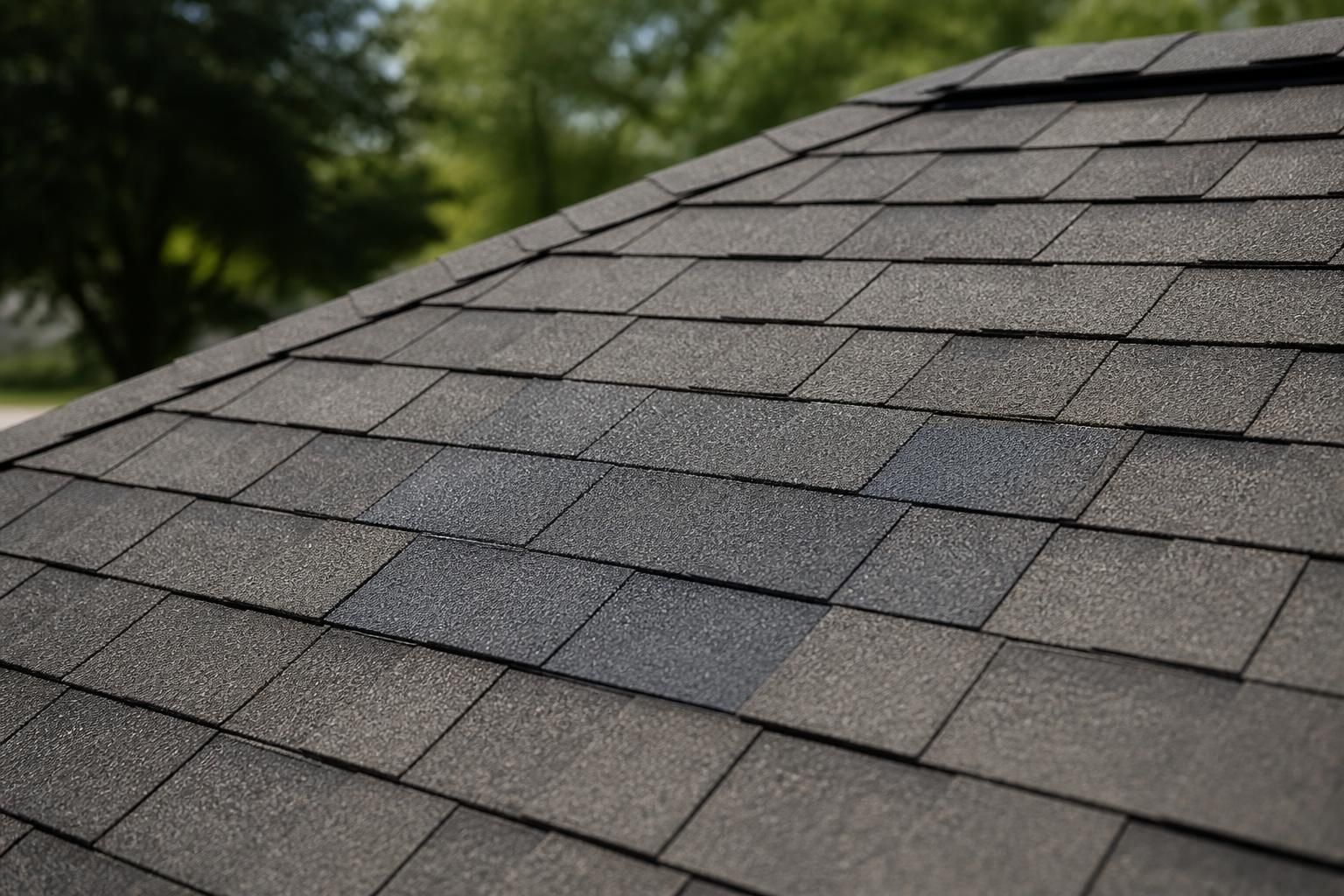
A ceiling stain, damp attic smell, or a missing shingle can be the first sign your roof needs attention. When those clues show up, it is better to address them early before the damage spreads into decking, insulation, or interior finishes.
All Access Roofing And Safety helps property owners across San Antonio, TX handle roof repairs with a clear focus on leak detection, damaged materials, and long-lasting restoration work. If your roof is showing wear, we can inspect the problem, explain what is happening, and recommend the repair that fits the condition of the roof.
Some roof problems are obvious, while others stay hidden until the damage becomes harder to ignore. A careful look at the roof, attic, and interior surfaces can reveal whether the issue is isolated or spreading.
If one or more of these signs show up, the roof may need targeted repairs rather than broad replacement work. That is where a focused inspection matters.
Roof damage does not always mean the entire system has failed. Many roofs can be brought back into service with the right repair at the right location. At All Access Roofing And Safety, we handle repairs for residential, commercial, and industrial properties throughout San Antonio, TX.
Water often enters through small openings that are easy to miss from the ground. We track down the source of roof leaks and repair the area around it so the same problem does not keep returning after the next rain.
Shingles, metal panels, modified bitumen, TPO, PVC, EPDM, concrete tile, and clay tile can all develop damage over time. We address cracked pieces, loose sections, punctures, and wear that shorten the life of the roof.
Flashing, pipe boots, vents, and roof edges are common trouble spots. These areas move, age, and seal differently than the rest of the roof, so repairs here need careful attention.
Good roof repair work starts with identifying the source, not just the symptom. A stain on the ceiling may point to a leak far away from where the water appears inside. We look for the path water is taking and check the condition of surrounding materials.
We assess visible damage, worn areas, and any signs that point to leakage or structural wear.
We follow the evidence from the interior and exterior to narrow down the source of the issue.
We explain whether the roof needs a small repair, restoration work, or a larger replacement approach.
We complete the repair with attention to the affected area and the materials around it.
This process helps avoid guesswork and reduces the chance of patching the wrong spot.
Different roofing systems fail in different ways. A shingle roof may show curling, lifting, or missing pieces, while a low-slope roof may develop membrane damage or drainage concerns. We repair a wide range of roofing systems used across San Antonio, TX.
Matching the repair method to the roofing system matters. A patch that works on one roof type may fail early on another, so the material choice and repair approach need to fit the structure.
After strong weather, roof damage may show up as lifted shingles, broken tile, compromised flashing, or water entry near seams and edges. Even when the roof still looks serviceable from the street, a closer look can reveal damage that needs attention.
Watch for debris on the roof, pieces of shingle on the ground, new stains inside the home, and areas where flashing has pulled away. These clues often point to a roof section that needs repair before water spreads through the structure.
When a roof is exposed after damage, emergency roof tarping may be used as a short-term protective measure while a permanent repair is planned. That keeps the opening covered and buys time for a more complete fix.
Not every damaged roof needs a full replacement. At the same time, repeated repairs on a roof that has reached the end of its serviceable life can become frustrating and costly. We help homeowners and property managers weigh the condition of the roof before committing to the next step.
A repair may make sense when the damage is limited to one area, the roof system is generally sound, and the underlying structure is still holding up. Replacement may be the more practical choice when wear is widespread, materials are failing across large sections, or the roof has too many recurring problem areas.
For some properties, roof restoration or preventative roof maintenance can also help extend the useful life of the roof without moving straight to a full reroof.
Roof problems tend to spread quietly. A small leak can soak insulation, stain drywall, and weaken nearby materials long before the roof shows major visible damage. Acting quickly after a problem appears can protect more than just the roof surface.
Timely roof repairs can help limit:
For property owners who want to stay ahead of larger repair needs, a scheduled roof inspection can be a practical next step.
All Access Roofing And Safety serves San Antonio, TX with roof repairs that focus on clear diagnosis and dependable workmanship. We also help customers across nearby Central Texas communities, but San Antonio remains a key service area for leak detection, repair work, and roof restoration support.
Our approach is straightforward: identify the source, explain the condition, and complete the repair with the right materials for the roof type. Whether the issue is a few missing shingles, flashing damage, or a leak that keeps returning, we work to solve the problem at its source rather than just covering the symptoms.
If your roof is leaking, aging, or showing signs of storm damage, All Access Roofing And Safety can help you decide what the roof needs next.
Leaks often start at damaged flashing, worn seals, missing shingles, punctures, or areas where water sits longer than it should. The visible stain inside is often not the same spot where the water enters.
It is better not to wait. Even a small leak can spread into insulation, wood framing, and interior materials, especially if the problem keeps getting wet during rain.
That depends on how widespread the damage is. If the issue is limited and the rest of the roof is still in solid condition, repair work may be a good fit. If the wear is widespread, replacement may be more practical.
No. Shingle roofs, metal roofs, and low-slope membrane systems often show different warning signs. That is why the repair approach should match the roofing material.
Flashing protects transitions, edges, and penetrations where water naturally tries to enter. Because those areas move and age differently, they often need repair before the rest of the roof does.
Yes. Fixing problem areas early and keeping up with preventative roof maintenance can help slow further wear and protect the roof from avoidable damage.

Get Started
Share what is happening with your roof or exterior property, and we will help you understand the next best step for repair, replacement, maintenance, or storm damage cleanup.