Water spots on the ceiling, damp insulation, or a musty smell after rain are warning signs that should not wait. A roof leak can start small, then move into decking, drywall, trim, and attic spaces before the source is obvious.
All Access Roofing And Safety helps property owners across San Antonio, TX track down the leak source and repair the roof with a clear plan. If shingles are missing, flashing is loose, seams have opened, or drainage is backing water into vulnerable areas, we focus on the cause so the damage does not keep spreading.
A roof leak is not always visible from outside. Some of the first clues show up indoors, while others appear on the roof surface or around penetrations.
If any of these signs are present, the roof needs a close look. A small opening may let water travel far from the actual leak point before it shows indoors.
Roof leaks usually begin with wear, movement, or damage at a weak point. San Antonio roofs can develop leaks for many reasons, and the repair has to match the source.
Asphalt shingles may crack, lift, or go missing after storm activity or aging. Once the roof covering is exposed, water can work under adjacent shingles and reach the underlayment or decking.
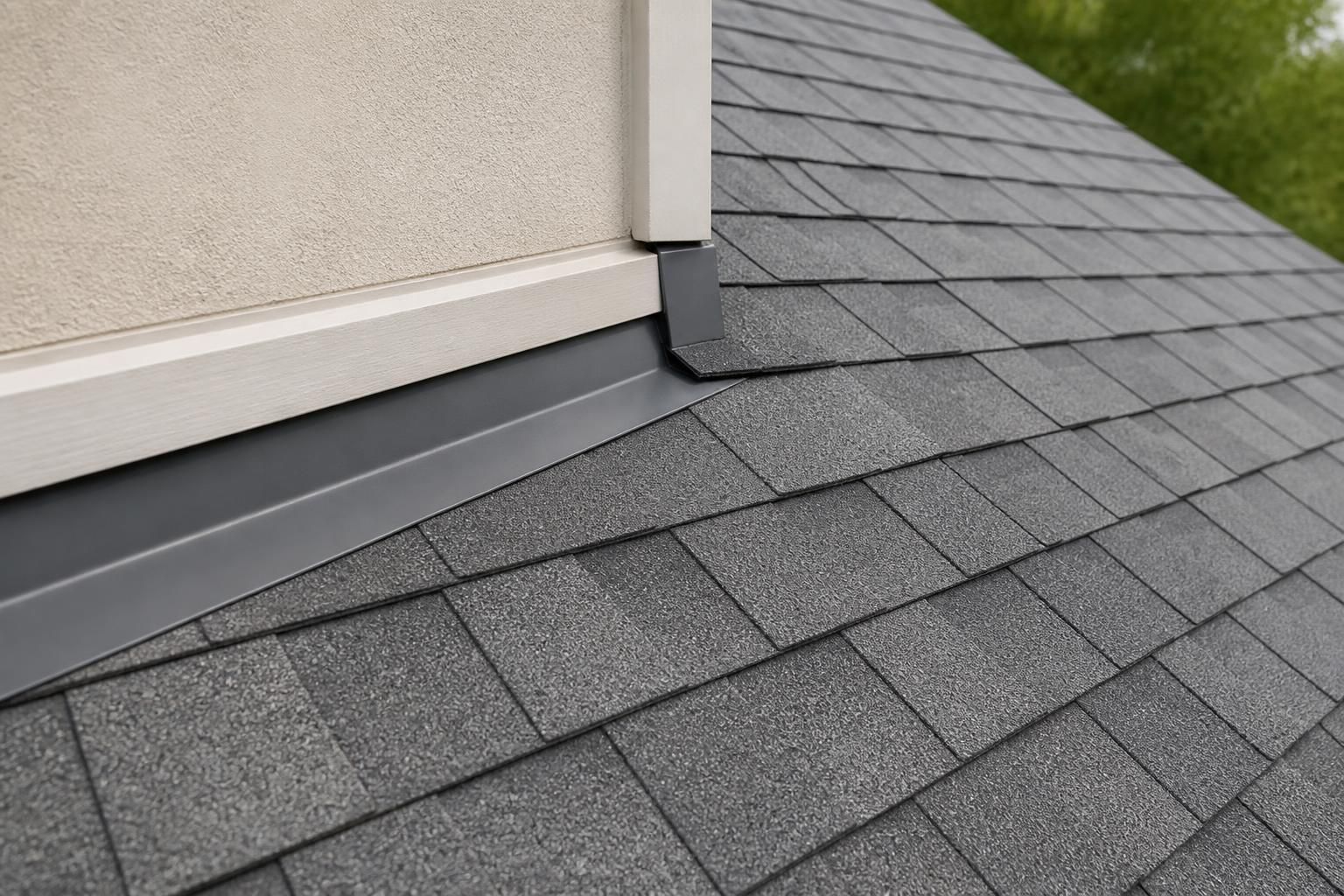
Flashing around chimneys, vents, valleys, and wall transitions is one of the most common leak points. If metal flashing loosens, bends, or seals break down, water can enter at seams that are easy to overlook.
Poor drainage, debris buildup, and long-term wear can leave certain areas vulnerable. Water that sits too long or moves the wrong way has more time to find openings at fasteners, seams, and low spots.
All Access Roofing And Safety starts with the visible symptoms, then follows the path water is likely taking through the roofing system. The goal is to identify the source, not just cover the stain or seal one loose edge.
This process matters because a patch over the wrong spot can leave the real problem untouched. A sound repair should match the roof type, the leak source, and the amount of surrounding wear.
Different roofing systems leak for different reasons. We repair leak issues across a range of roof types commonly found on homes and properties throughout San Antonio, TX.
Each system has its own weak points. A shingle roof may need damaged pieces replaced, while a flat roof may need attention at seams, edges, or penetrations. Tile systems often need careful work around underlayment, flashing, and broken components.
A leak often announces itself inside before the roof surface tells the full story. Paying attention to the room below the stain can help narrow the problem area.
Brown stains, peeling paint, or soft drywall usually mean water has already moved through building materials. The stain may grow after each rain, even if the leak seems minor at first.
If the attic is accessible, look for wet insulation, dark wood, or signs of moisture around roof framing. These clues can help show where the water is entering, especially when the indoor stain is far from the opening.
Leakage can show up around baseboards, window trim, or ceiling corners when water travels along framing. Those signs can reveal a longer path through the structure than most homeowners expect.
Not every leak calls for the same solution. Some roofs need a targeted roof repair, while others are worn enough that a reroof or replacement makes more sense.
We help property owners weigh the condition of the roof, the age of the materials, and the extent of the damaged area. A repair may be a smart choice when the leak is isolated and the rest of the roof still has useful life. Replacement may be the better path when multiple areas are failing, materials are heavily aged, or damage is widespread.
That kind of decision should be based on the roof itself, not on guesswork. A focused evaluation can prevent repeated patchwork and help you choose the right next step for the property.
Once the leak source has been addressed, the surrounding area still deserves attention. Water may have reached materials that need drying, cleaning, or later replacement by another trade.
Preventative roof maintenance can also help reduce future leak risk by catching minor wear before it turns into interior damage. For property owners who want a broader look at roof condition, roofing inspections and roofing safety inspections can reveal trouble spots that are easy to miss from the ground.
The stain location indoors does not always match the entry point on the roof. We trace the water path through the roof surface, flashing, and roof deck to find the source.
Yes. Even a small mark can point to a wider opening or to water that has traveled across hidden materials before showing inside.
No. Leaks can begin at flashing, seams, vents, valleys, damaged underlayment, or drainage trouble depending on the roof system.
That happens often on older or storm-damaged roofs. We identify each weak area so the repair addresses the full leak path instead of one visible symptom.
Yes. We work with modified bitumen, TPO, PVC, and EPDM roofs, along with other residential and commercial roof types.
No. A leak can spread inside the structure even when the visible stain changes slowly. Faster action reduces the chance of deeper damage.
If you see water intrusion, ceiling staining, or signs of roof wear, All Access Roofing And Safety can assess the problem and recommend the right roof leak repair for your San Antonio property. We serve homeowners, business owners, property managers, facility managers, and contractors who need clear answers and practical repair work.
Call +18062925815 to discuss your roof leak concerns and schedule service with All Access Roofing And Safety.

Get Started
Share what is happening with your roof or exterior property, and we will help you understand the next best step for repair, replacement, maintenance, or storm damage cleanup.