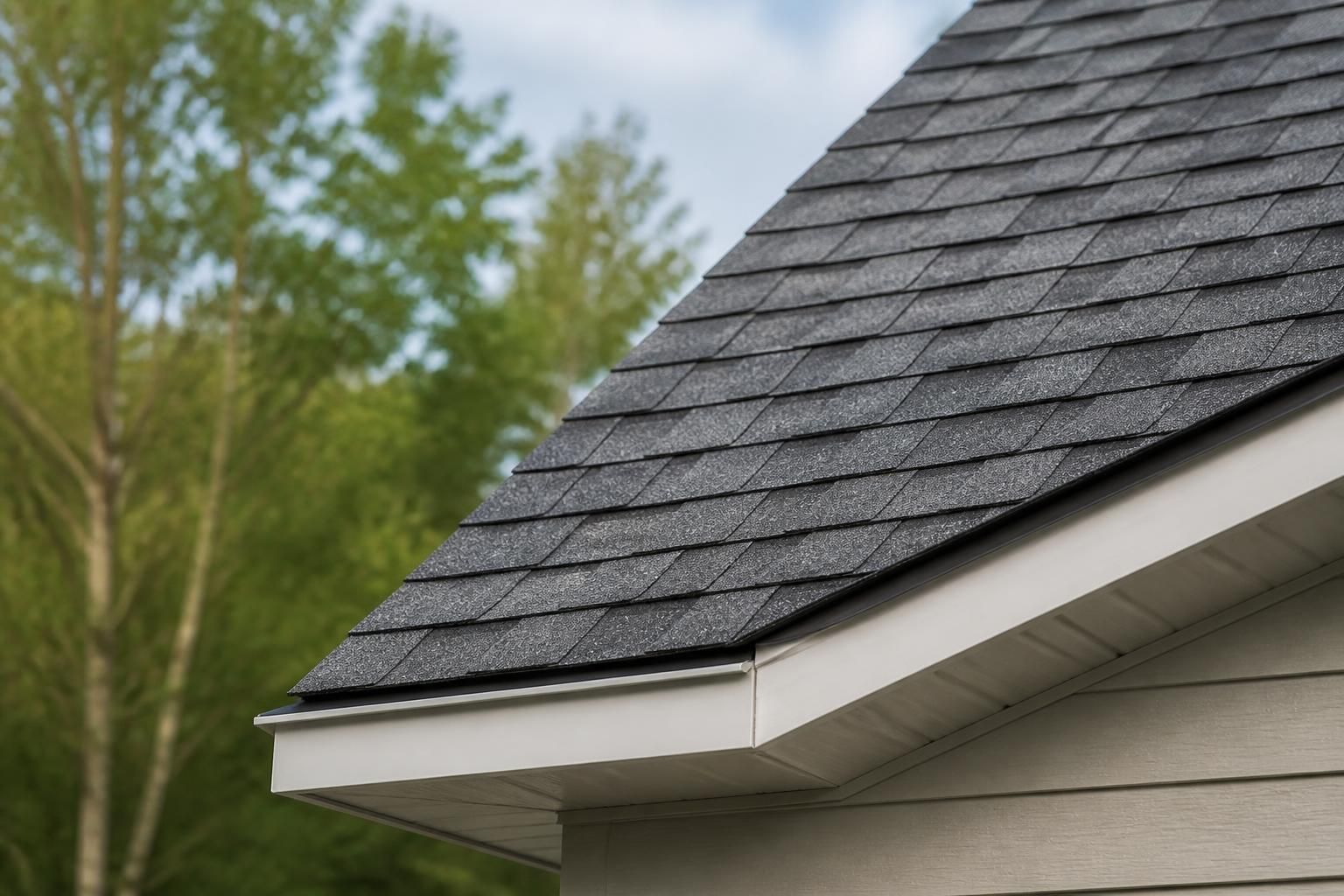
Missing shingles, lifted flashing, ceiling stains, and scattered debris are all signs your roof may have taken a hard hit. If a storm passed through San Antonio, TX and your home or building now shows new leaks, bruised roofing materials, or loose edges, the next step is to have the damage assessed before it spreads.
All Access Roofing And Safety handles storm damage repair for roofs that need careful attention after heavy weather. We look for the source of the problem, repair damaged areas, and help limit further wear on the structure, so you can move from uncertainty to a clear plan.
Storm damage does not always show up as a dramatic hole or missing section. Some of the most costly roof problems start small and are easy to miss from the ground. After strong wind, hail, or driving rain, watch for changes that are new to the roof or interior.
If you notice any of these after a storm, a repair visit should focus on both the visible damage and the hidden weak points that could allow continued leakage.
Storm damage repair works best when the full problem is identified before repairs begin. At All Access Roofing And Safety, we evaluate the roof surface, transitions, edges, and nearby components that often fail after severe weather.
We look for torn shingles, punctures, dents, lifted seams, cracked tiles, and other visible changes that may have opened the roof to water intrusion. Even minor impact marks can matter if they line up with a leak path.
Leaks often start where roofing materials meet flashings, penetrations, valleys, or drainage areas. We check these sections closely because storm forces tend to stress the places that already carry the most water movement.
Storms can affect more than the roof covering. We also pay attention to soffit and fascia areas, gutters, and nearby exterior features that may influence how water leaves the roof and where it ends up.
Storm damage repair should be direct, clear, and matched to the actual condition of the roof. A patch that ignores the cause can leave the building exposed to repeat leaks or expanding damage.
The goal is not just to cover damage. It is to restore the roof so the repaired area can handle the next round of weather more reliably.
Storm damage affects different roofing systems in different ways. A repair that works on one roof type may not suit another, especially when material movement or seam failure is involved.
We work with a range of roofing systems across San Antonio, TX, including asphalt shingles, metal roofing, modified bitumen, TPO, PVC, EPDM, concrete tile, and clay tile. Each material responds differently to impact, wind, and water intrusion, so the repair approach needs to match the roof structure and the damage pattern.
Homeowners often notice storm damage after a leak appears indoors or after shingles blow off the roof edge. We help restore residential roofs with repairs that focus on the damaged section and the areas around it.
Flat and low-slope roof systems can show storm damage through seam issues, punctures, or standing water around compromised areas. These roofs need attention that respects the material type and the drainage path.
Not every roof can be handled the same way after severe weather. The right repair choice depends on how far the damage spread, how long the roof has been exposed, and whether the issue is isolated or connected to larger wear.
We focus on the areas that are causing the problem now, while also looking for other sections that may fail soon if left untouched.
What you do next can affect how much damage the roof sustains before repairs happen. Even if the storm has passed, standing water, open seams, and broken shingles can allow continued intrusion during the next rain.
If it is safe to do so, take a few simple steps before scheduling service:
Quick action gives the roof a better chance of being repaired before a small opening becomes a larger section of concern.
All Access Roofing And Safety serves San Antonio, TX with storm damage repair tailored to the roof type, the extent of the damage, and the condition of the surrounding structure. We also help property owners across nearby Central Texas communities, but San Antonio remains a key service area for storm-related roof work.
Because storm damage can affect homes, businesses, and industrial properties differently, we keep the repair approach practical and specific. A shingle roof with wind loss does not need the same solution as a flat roof with seam separation, and a repair should reflect that difference from the start.
We also understand that storm damage often creates more than one concern at once. A roof may need repair, while gutters, soffit, fascia, or other exterior details may also need attention to keep water moving away from the building as intended.
New leaks, missing roofing material, impact marks, and damage that appears right after severe weather are strong indicators. A roof inspection can help connect the symptoms to the storm rather than to older wear.
Small damage may seem manageable, but exposed roofing material can let water reach deeper layers during the next rain. The longer the opening remains, the more likely additional repair work becomes necessary.
No. Repairs vary based on the roof system, the location of the damage, and whether the issue involves shingles, flashing, seams, or penetrations. The fix should match the specific failure point.
A single leak can still come from a larger damaged area. The visible drip is not always the full problem, so the surrounding roof sections should be checked as well.
Yes. Storms can loosen gutters, disturb drainage, and damage soffit or fascia areas. Those issues can influence how water leaves the roof and where it collects.
You can expect an inspection of the damaged roof areas, identification of likely water entry points, and a repair plan based on the roof condition. The aim is to restore the damaged section and address the surrounding weak points that matter most.
If your roof was hit by a storm and you are seeing signs of damage at your property, All Access Roofing And Safety can help you move forward with a clear repair plan. For storm damage repair across San Antonio, TX, call +18062925815 and get the roof checked before the next round of weather adds to the problem.

Get Started
Share what is happening with your roof or exterior property, and we will help you understand the next best step for repair, replacement, maintenance, or storm damage cleanup.