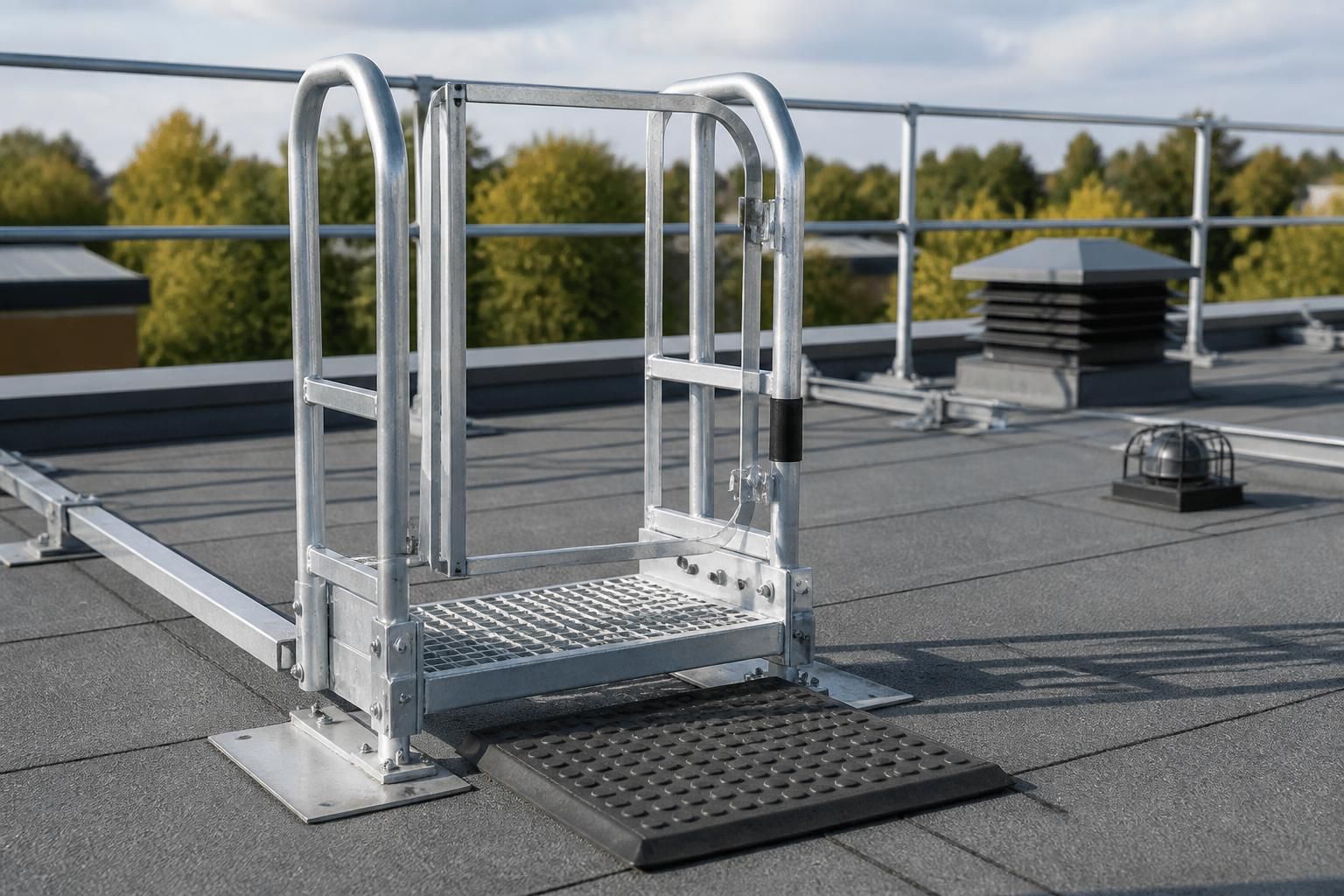
If you have noticed loose shingles, stained ceilings, lifted flashing, or a roof surface that simply does not look right, it is time to take a closer look. A roofing safety inspection can reveal hazards before they turn into leaks, structural concerns, or avoidable repair work.
All Access Roofing And Safety provides roofing safety inspections for property owners across San Antonio, TX, helping identify risks on residential, commercial, and industrial roofs. We look for visible damage, trouble spots, and safety concerns so you can make a clear decision about repair, restoration, reroofing, or maintenance.
A roof often gives early warnings before a larger problem appears. Some signs are easy to spot from the ground, while others show up as stains, drafts, or recurring trouble after rain.
If one of these conditions is present, a roofing safety inspection gives you a clearer picture of what is happening above your head. It can also help separate minor wear from damage that needs prompt attention.
Our roofing safety inspections focus on the parts of the roof that most often create hazards, leaks, or shortened service life. We review visible conditions, note problem areas, and explain what should be monitored, repaired, or addressed next.
We look for cracking, blistering, curling, punctures, displaced materials, and any signs that the roof surface is no longer protecting the structure as it should.
Roof edges, seams, and changes in material are common failure points. We inspect flashing, transitions, and connection areas where water can enter if materials have shifted or deteriorated.
Standing water, clogged pathways, and poor slope conditions can speed up wear. We note drainage problems that may be contributing to leaks, soft spots, or surface damage.
Some roofs present risks beyond leaks. We watch for loose materials, unstable areas, and visible issues that may affect access, maintenance, or future repair work.
All Access Roofing And Safety keeps the process straightforward so you know what is being reviewed and why it matters. A safety inspection is not about guesswork. It is about identifying conditions you can act on with confidence.
We start by understanding the concerns you have noticed, such as leaks, damaged areas, or recurring trouble after rain.
We examine the visible roof surface, key transitions, and problem-prone areas for signs of damage, wear, or unsafe conditions.
We explain what we found, what the concerns may mean, and which areas deserve attention first.
Based on the roof’s condition, we discuss whether repair, reroofing, restoration, or maintenance is the most practical path.
This process helps San Antonio property owners move from uncertainty to a clear plan. A strong inspection should reduce confusion, not add to it.
Roofs are not all built the same, and inspection priorities can change based on the system on your property. We evaluate a range of roofing types common across San Antonio, TX.
Each material has its own wear patterns. Shingles may show curling or missing sections, while membrane roofs may show seam stress or punctures. Tile roofs often need attention at edges, underlayment areas, and break points where movement can create vulnerabilities.
When a roof has been exposed to severe weather, it can be difficult to tell what is cosmetic and what may lead to a leak later. A roofing safety inspection helps sort through that uncertainty by focusing on the parts of the roof that may have been affected.
We inspect for lifted materials, damaged flashing, disturbed edges, impact marks, and other changes that may not be obvious from the ground. If storm conditions have exposed weak spots, the inspection can guide the next repair decision and help you avoid overlooking hidden damage.
For San Antonio properties, storm-related inspections are especially useful when you want a clear read on the roof before moisture finds its way into the structure.
A roofing safety inspection is not only for visible damage. It is also a practical way to understand how well a roof is holding up over time. That matters when the roof is aging, has already had repairs, or needs closer monitoring.
Regular inspections can help you:
For property owners who want a clearer path forward, inspection findings can be the starting point for a more practical roofing plan.
Roofs across San Antonio, TX, need attention when signs of wear start to appear, especially on buildings that have gone through years of exposure and patchwork repairs. A roofing safety inspection helps property owners stay ahead of those changes before they affect walls, insulation, or interior finishes.
All Access Roofing And Safety works with homeowners, business owners, property managers, facility managers, and contractors who need a dependable read on roof condition. Whether the concern is a small leak, aging materials, or a roof section that simply does not look secure, we help identify what matters most.
That makes it easier to choose between roof repairs, roof replacements, new roof installation, emergency roof tarping, storm damage repair, roof leak detection, roof leak repair, or preventative roof maintenance when the situation calls for it.
It focuses on visible roof damage, weak points, drainage concerns, flashing issues, and other conditions that may create leaks or safety risks.
It makes sense when you notice missing shingles, staining, lifted flashing, loose materials, or other signs that the roof is changing.
Yes. It can help identify disturbed roof materials, damaged edges, and spots that may need repair before water enters the structure.
They do. Asphalt shingles, metal roofing, membrane systems, and tile roofs all show wear differently, so the inspection approach changes with the material.
Yes. A safety inspection can help trace the likely source of repeated trouble and show whether the issue is isolated or part of a larger pattern.
Homeowners, property managers, facility managers, and contractors often request roof inspections when they need a clear condition review before making a decision.
If your roof has visible wear, leak concerns, or damage that needs a closer look, All Access Roofing And Safety can help assess the condition of your roof and discuss the next practical step. Our roofing safety inspections are available for properties across San Antonio, TX, with service for surrounding Central Texas communities as well.
Call +18062925815 to schedule roofing safety inspections and get a clear review of what your roof needs now.
Get Started
Share what is happening with your roof or exterior property, and we will help you understand the next best step for repair, replacement, maintenance, or storm damage cleanup.