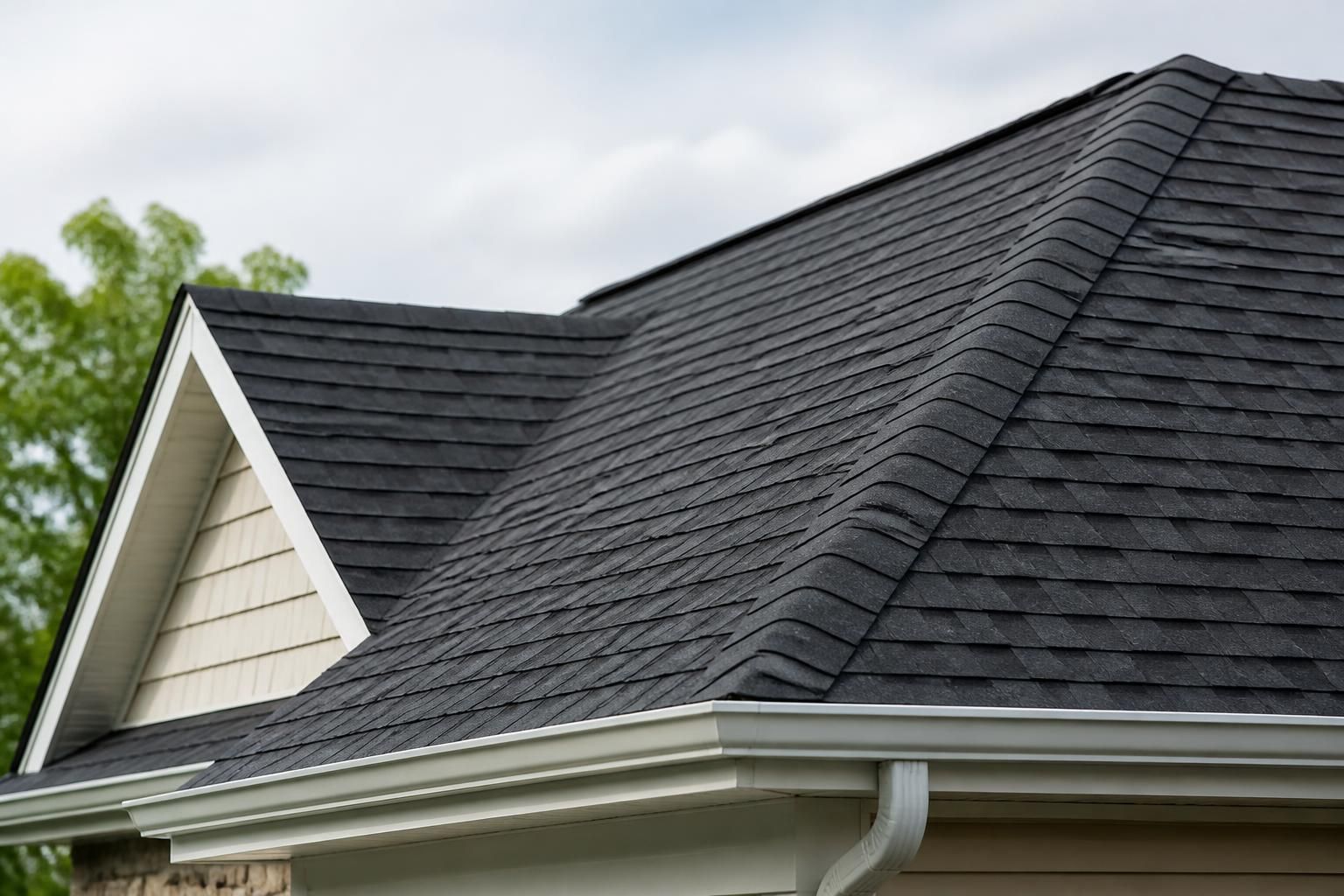
If your roof is past its service life, showing repeated leaks, or missing enough shingles to make repairs feel pointless, it may be time for a new roof installation. Homeowners often notice stained ceilings, loose shingles, sagging areas, or granules collecting where they should not be. When those signs start stacking up, waiting usually leads to more interior damage and more stress.
All Access Roofing And Safety helps property owners across San Antonio, TX plan and complete new roof installation with clear communication and careful workmanship. We look at the condition of the structure, the roofing material, and the details that affect long-term performance, then recommend a roof built for the property’s needs instead of a quick patch over deeper problems.
Not every roof problem calls for another repair. Some roofs reach a point where patching one area just reveals another weak spot later. A new roof installation becomes the practical choice when the roof is too worn, too damaged, or too inconsistent to keep chasing leaks one by one.
If you are unsure whether repair or replacement is the better path, we can assess the roof and explain what we are seeing so you can make a clear decision.
A new roof should not feel like a mystery. From the first conversation to the last cleanup pass, the process should be organized and easy to follow. All Access Roofing And Safety keeps the work centered on the roof’s condition, the property’s layout, and the materials selected for the project.
This approach helps avoid rushed work and gives property owners a clearer understanding of what is being done and why.
Different properties need different roofing systems. A roof that works well on one home may not be the right choice for a low-slope structure, a commercial building, or a property with unique drainage concerns. We help you compare the available options and choose a system that fits the structure and the budget for the project.
Asphalt shingles remain a common choice for many homes because they provide a familiar look and a straightforward installation process. They can be a practical option for replacement when the existing roof is already built around a shingle system.
Metal roofing is often selected for its durability and clean appearance. It can be a strong fit for properties that need a long-lasting roof system with a different profile than shingles.
Modified bitumen, TPO, PVC, and EPDM are used on many low-slope roofs where drainage and membrane selection matter. These systems are evaluated based on the structure, use, and current roof condition.
Concrete tile and clay tile can suit certain properties that need a specific look and long service life. Tile installations require careful handling and precise attention to the roof structure beneath the surface material.
Before a new roof installation begins, the roof has to be judged as a system, not just a surface. Small problems hidden at the edges or around penetrations can affect how well the new roof performs after installation.
By checking these details early, we can help prevent avoidable setbacks and support a cleaner installation from the start.
New roof installation is not just about putting down new materials. It is about matching the roof to the property type, use, and long-term needs. We work on residential roofing as well as commercial roofing projects, and the planning changes depending on the building and the roof system involved.
Homeowners often want a roof that improves curb appeal, handles regular weather exposure, and gives them confidence that the structure is protected. Property managers, facility managers, and contractors may need a roof that fits a larger scope, a more complex surface, or a building where roofing details affect multiple occupants. Whatever the property type, the goal stays the same: a roof installed with care and built to serve the structure well.
Roof replacement work affects more than the surface material. It involves access, timing, cleanup, and attention to the property below. All Access Roofing And Safety keeps safety at the center of the job so the project moves forward without careless handling or avoidable disruption.
That includes using a careful approach around edges, working methodically on steep or complex roof sections, and keeping the work area organized throughout the installation. For property owners, that means less confusion, less mess, and a smoother path from the first day of work to the completed roof.
A new roof installation is only useful if it is cared for after the project ends. Once the new system is installed, good habits help protect the investment and keep the roof performing as expected for as long as possible.
If exterior work is also needed, All Access Roofing And Safety can help with related services such as gutter work, pressure washing, debris removal, landscaping, and soffit and fascia repair or replacement. Keeping the outside of the property cared for supports the roof above it.
Look for repeated leaks, widespread shingle damage, visible aging, or roof areas that seem to keep failing after repairs. A review can help confirm whether replacement makes more sense than another patch.
Yes. We work with asphalt shingles, metal roofing, modified bitumen, TPO, PVC, EPDM, concrete tile, and clay tile, depending on the roof structure and project needs.
Yes. New roof installation is available for residential, commercial, and industrial properties across San Antonio, TX and nearby Central Texas areas.
We review the existing roof, discuss the material options, and identify any concerns that may affect the installation. That helps keep the project organized from the start.
It can, especially when leaks come from broad wear, aging materials, or multiple failed repair areas. A new roof can address those deeper concerns rather than covering them again.
Yes. All Access Roofing And Safety also serves New Braunfels, Austin, and other surrounding Central Texas communities.
If your roof is showing its age or the repairs are no longer keeping up, a new roof installation may be the clearest next step. All Access Roofing And Safety works with property owners who want straightforward guidance, careful planning, and a roof that makes sense for the building.
Call +18062925815 to discuss your project in San Antonio, TX and find out what your roof needs next.
Get Started
Share what is happening with your roof or exterior property, and we will help you understand the next best step for repair, replacement, maintenance, or storm damage cleanup.