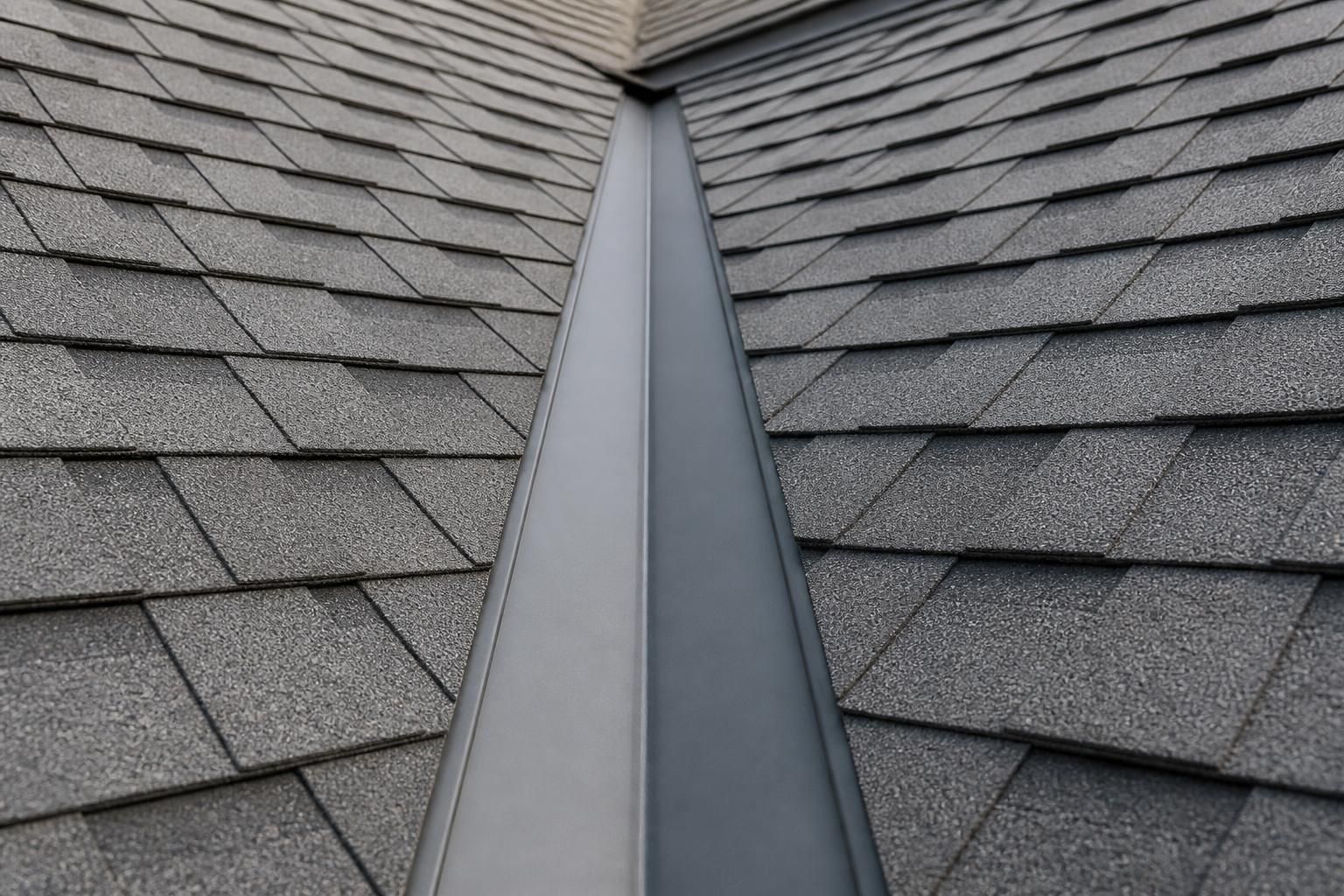
Water stains on a ceiling, damp attic insulation, or peeling paint can point to a roof leak that needs attention now. If the spot keeps growing after each rain, the problem may be coming from a seam, flashing line, shingle break, or another hidden entry point above the visible damage.
All Access Roofing And Safety helps property owners across San Antonio, TX track down roof leaks with careful inspection and straightforward repair guidance. We look for the source, explain what is happening, and help you decide whether the next step is a repair, restoration, reroof, or maintenance service.
A roof leak does not always show up as an obvious drip. Many leaks travel through layers of roofing materials before the water becomes visible inside. That means the stain on the ceiling may be far from the actual opening.
Common signs that point to roof leak detection in San Antonio, TX include:
If you notice more than one of these, the roof may be letting water past a weak point that needs a closer look. We focus on finding the path the water is taking, not just the place where it finally shows up.
Roof leaks often start small and grow with time. A minor gap around a flashing edge can become a recurring problem after enough rain, heat, and wear. Different roofing systems can leak for different reasons, but the pattern is often similar: one part of the roof has started to fail, and water is finding a route into the structure.
We often trace leaks to worn shingles, cracked sealant, damaged flashing, clogged drainage points, punctures, or aging roof materials. On low-slope systems, seams and transitions may also be involved. On steep-slope roofs, missing shingles or compromised penetrations are common trouble spots.
Older roofs can leak for more than one reason at the same time. For example, a roof may have worn surface material, brittle sealant, and damaged flashing all at once. In those cases, a simple patch may not solve the full problem, so we look at the roof as a system before recommending the next step.
Roof leak detection is part inspection, part tracing, and part judgment. We start by learning where the leak appears inside, then we move upward through the structure to find the likely entry point. That process helps avoid guesswork and reduces the chance of repairing the wrong area.
We look at stains, drip lines, damp spots, and any visible roof-related damage inside the property.
We inspect the roof surface, flashing, transitions, and other areas where water commonly enters.
We follow likely water paths to identify how water may be moving from the roof edge, penetration, seam, or damaged section.
After the source is identified, we explain the condition and talk through repair, restoration, reroof, or maintenance options.
That process is useful for homeowners, property managers, business owners, and facility managers who want a clear answer before moving forward with repairs.
All Access Roofing And Safety works with a wide range of roofing systems, and leak detection can vary depending on the material and layout. A shingle roof may show visible missing pieces, while a low-slope roof may hide a seam problem that is harder to spot from the ground.
Leaks often trace back to lifted tabs, missing shingles, aging seal lines, or flashing failures.
We look closely at fasteners, seams, penetrations, and transition points where water can enter.
Seams, laps, and wear at high-traffic or stressed areas can create leak points.
These systems can develop leaks at seams, flashing details, and around rooftop penetrations.
Broken tiles, underlayment wear, and flashing concerns may all play a part.
Knowing the roofing system helps narrow the search and guide the repair approach once the source is found.
Once a leak is traced, the next step depends on the condition of the roof and the extent of the damage. Some roofs need a focused repair. Others have broader wear that makes restoration or reroofing a more practical choice.
A repair is often a good fit when the leak is tied to one isolated problem such as flashing damage, a few missing shingles, or a small puncture.
Roof restorations may be useful when the roof has multiple wear points but still has useful life left. That can address broader aging without moving straight to a full replacement.
If the roof has repeated leaks, widespread wear, or material failure across multiple sections, reroofing may be the better long-term answer. We explain what we see so you can make a clear decision.
A leak rarely stays the same. Water can spread beyond the first stain, soak insulation, weaken materials, and create more expensive damage over time. Even a small leak can become a bigger repair if it keeps getting overlooked.
Quick roof leak detection can help limit damage to ceilings, walls, attic areas, trim, and adjacent finishes. It also helps uncover hidden roof issues before they become harder to manage. For properties with recurring leaks, the goal is not just to stop one drip, but to find the pattern behind it.
All Access Roofing And Safety serves San Antonio, TX with roof leak detection for residential, commercial, and industrial properties. We also assist customers throughout nearby Central Texas communities, but San Antonio remains a primary service area for leak inspections and repair planning.
When you call, you can expect clear communication, a focused look at the roof, and practical next steps based on the condition of your property. We work with property owners who need help making sense of a leak, whether the concern is a small stain, repeat water intrusion, or damage after storm activity.
Our goal is to help you move from uncertainty to a real plan. That may mean fixing a limited problem, addressing several weak points, or deciding the roof needs more extensive work.
Ceiling stains, attic moisture, and peeling paint near upper walls often point to a roof-related leak, but the source should still be traced carefully. Water can travel before it becomes visible.
Yes. Some leaks come from several weak points close together, especially on older roofs or roofs with multiple penetrations and transitions.
Not always. The visible stain may be several feet away from the opening because water can run along framing or roofing layers before it appears inside.
Take note of where the leak appears, when you first noticed it, and whether it gets worse after rain. That information helps narrow the search.
Yes. We inspect asphalt shingles, metal roofing, modified bitumen, TPO, PVC, EPDM, concrete tile, and clay tile systems.
We explain what caused the leak and discuss the most practical next step, whether that is a repair, restoration, reroof, or preventative maintenance service.
If you are dealing with a roof leak at a property in San Antonio, TX, the first step is finding where the water is entering. All Access Roofing And Safety can help identify the source and give you a clear path forward.
Call +18062925815 to discuss roof leak detection and schedule a visit for your property.

Get Started
Share what is happening with your roof or exterior property, and we will help you understand the next best step for repair, replacement, maintenance, or storm damage cleanup.